
 The Collab Journal
By Garion Sparks-Austin, BSW, RSW — Registered Social Worker, Psychotherapist
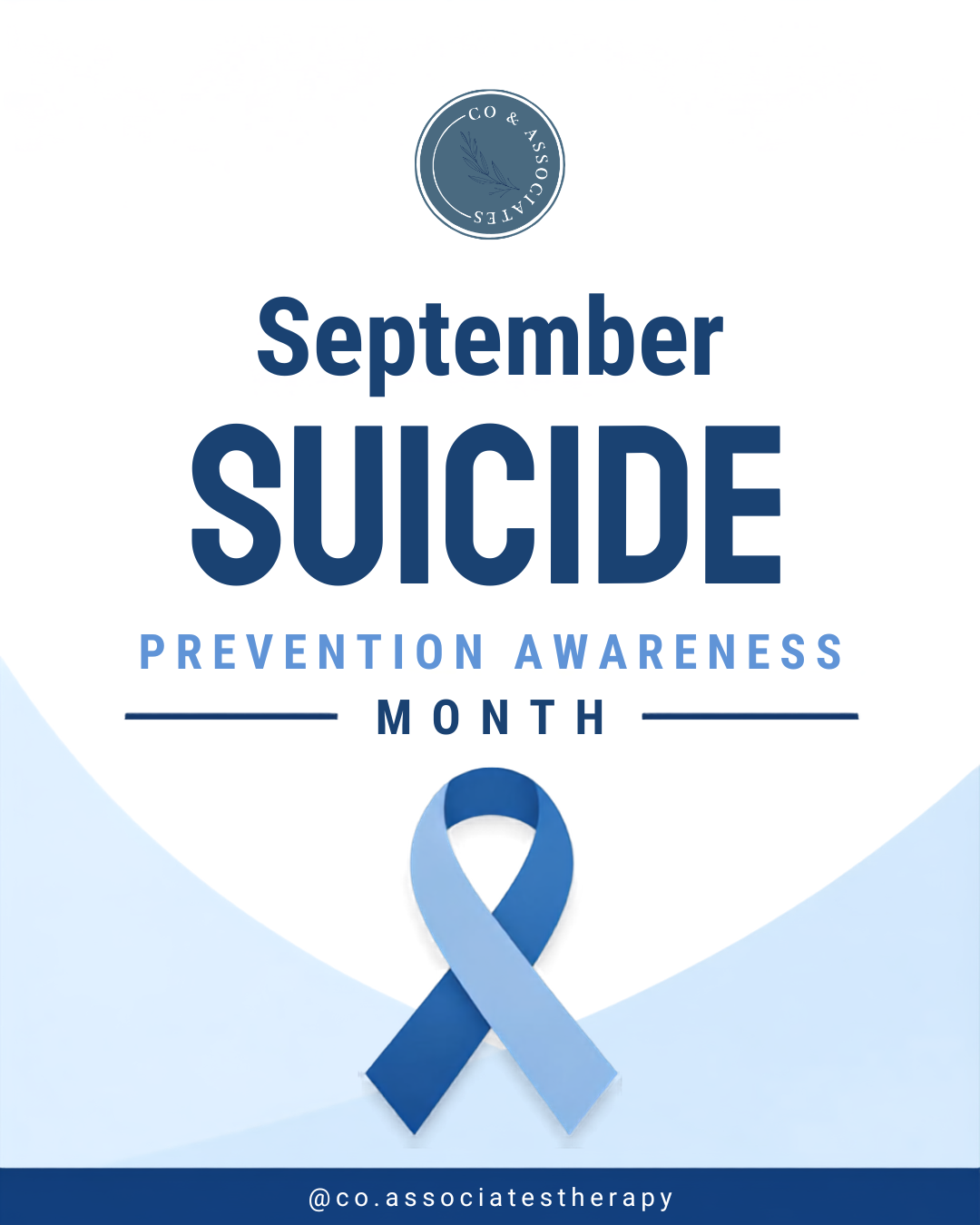
September is Suicide Prevention Awareness Month, with World Suicide Prevention Day recognized on September 10.
It’s an opportunity to talk about something many of us are still deeply uncomfortable talking about. We worry we’ll say the wrong thing. We worry we’ll make things worse. Sometimes, we convince ourselves that if someone were truly struggling, we would know.
But suicidal distress does not always look the way we expect it to.
A person can go to work, care for their family, answer messages, make jokes and continue meeting the demands of everyday life while privately feeling overwhelmed, hopeless or emotionally exhausted.
That’s why suicide prevention isn’t only about recognizing a crisis. It’s also about paying attention, making room for honest conversations and helping people feel less alone in what they’re carrying.
Suicidal thoughts are rarely about one thing
There is no single reason someone may begin thinking about suicide.
Mental health concerns can increase a person’s vulnerability, but suicidal thoughts can also emerge in response to grief, trauma, chronic pain, relationship loss, financial strain, substance use, discrimination, loneliness or a series of difficult experiences that have become too much to hold.
Often, the person doesn’t necessarily want their life to end. They want the pain to stop.
When someone has been living with intense distress for a long time, their world can begin to feel very small. They may struggle to imagine that anything could change or that there are options they haven’t yet considered.
This isn’t a character flaw, a lack of gratitude or a sign of weakness. It’s a sign that someone may be carrying more pain than they currently know how to manage.
Distress does not always look like sadness
We often associate suicide risk with visible sadness, but distress can show up in many different ways.
Someone may become quieter and more withdrawn. Another person may seem angry, irritable or reckless. Some people sleep much more than usual, while others barely sleep at all. There may be changes in appetite, substance use, energy, mood or interest in activities that once mattered to them.
Other signs that someone may need support include:
Talking about feeling hopeless, trapped or like a burden
Joking or making comments about death or not wanting to be here
Pulling away from friends, family or regular activities
Saying that nothing matters or that others would be better off without them
Taking unusual risks or behaving impulsively
Giving away meaningful belongings
Saying unexpected goodbyes
Showing a sudden or significant change in mood or behaviour
There is no single warning sign, and not everyone who is struggling will show obvious outward changes. The presence of one sign also does not necessarily mean someone is considering suicide. But when something feels different—particularly when several changes are happening together—it is worth checking in. 9-8-8 Suicide Crisis Helpline
It is okay to ask directly
Many people are afraid that asking someone about suicide will put the idea in their mind.
It won’t.
Asking directly does not increase suicidal thoughts. In fact, it can help someone feel less alone and give them permission to say what they have been afraid to tell anyone else. CAMH
You do not need perfect words. You can simply say:
“I’ve noticed you haven’t seemed like yourself lately. How are you really doing?”
“You’ve been saying that everything feels hopeless. Have you been thinking about suicide?”
“Are you thinking about ending your life?”
Asking the question clearly is not harsh. It shows that you are willing to hear the honest answer.
If someone says yes, try not to panic, lecture or rush to convince them of all the reasons they should want to live. Listen first. Thank them for telling you. Let them know you are taking them seriously and that they do not have to figure out the next step alone.
You might say:
“I’m really glad you told me.”
“I may not fully understand what this feels like, but I’m here.”
“We don’t have to solve everything right now. Let’s focus on keeping you safe tonight.”
“Can we call or text 9-8-8 together?”
Sometimes a small message is more than a small message
People don’t always reach out by saying, “I need help.”
Sometimes they send a meme. They ask an ordinary question. They call unexpectedly or text, “Hey, how are you?” It may be the safest way they know to create a moment of connection without having to explain what they’re feeling.
Of course, not every casual message is a sign of crisis, and none of us can be available every moment of the day. We are not responsible for predicting another person’s actions.
Still, we can become a little more curious about the small bids for connection we receive.
“I’m glad you reached out.”
“How have you been, really?”
“Do you want to talk?”
“Would you like some company?”
Sometimes the first step toward help is simply discovering that someone is willing to stay in the conversation.
Support does not mean carrying this alone
Caring about someone does not mean you have to become their therapist or their entire support system.
If someone is experiencing suicidal thoughts, help them connect with appropriate professional and crisis support. If possible, involve other trusted people so that neither you nor the person struggling is trying to manage the situation alone.
If you believe someone may be in immediate danger, do not leave them alone. Call 911 or take them to the nearest emergency department if it is safe to do so.
You can also call or text 9-8-8 if you are worried about someone else and need guidance about what to do.
Suicide prevention begins before a crisis
Suicide prevention is not only something that happens in an emergency. It also happens in our homes, friendships, workplaces, schools and communities.
It happens when we make it safer to say, “I’m not doing well.”
It happens when we take emotional pain seriously instead of comparing it to someone else’s.
It happens when we stop describing suicide as selfish, weak or attention-seeking.
It happens when we check in again, even after someone has told us they’re “fine.”
And it happens when people have access to ongoing, affordable and culturally respectful mental health care—not only when they have reached a breaking point.
Therapy can offer a space to understand what sits beneath the pain, strengthen coping and emotional-regulation skills, work through trauma and reconnect with reasons for living. However, psychotherapy is not a replacement for emergency or crisis care when someone is at immediate risk.
This September, we do not need to have all the answers.
We can learn to notice. We can ask the uncomfortable question. We can listen without judgment. We can help someone find the next layer of support.
Most importantly, we can remind people that struggling does not make them a burden—and that they do not have to carry their pain alone.
If you or someone you know is experiencing thoughts of suicide in Canada, call or text 9-8-8. Support is available 24 hours a day, seven days a week, in English and French. If someone is in immediate danger, call 911 or go to the nearest emergency department.
Co & Associates provides compassionate psychotherapy support for individuals navigating emotional distress, trauma, grief, relationship concerns and significant life transitions. Contact us to learn more about connecting with a member of our clinical team. Psychotherapy services are not a substitute for emergency care or crisis intervention.
This article is intended for educational and informational purposes only. It is not a substitute for therapy, counselling, or individualized mental health care. Everyone's experiences are unique, and support that works for one person may not be right for another. If you're struggling, we encourage you to seek professional support that fits your needs.
Related Articles

When Starting Over Comes With More Than You Expected: Mental Health, Immigration, Identity & Belonging
Navigating a new chapter comes with hidden grief and complex identity shifts. Discover how therapy can support your journey of belonging.

Supporting Your Child When Launching Is Delayed
Is your young adult's launch delayed? Learn how to support their journey to independence with warmth and wisdom, balancing connection with growing autonomy. Discover practical strategies to empower them for a confident future.

Legacy Is Built One Person at a Time
Discover the heart behind Co & Associates. Our founder shares a vision of building a legacy focused on people, belonging, and lasting impact. Learn how we nurture healing and growth, one person at a time.