
 The Collab Journal
By Shishir Pandey, MSW, BSW, RSW, MEd, RPN — Registered Social Worker & Clinical Counsellor
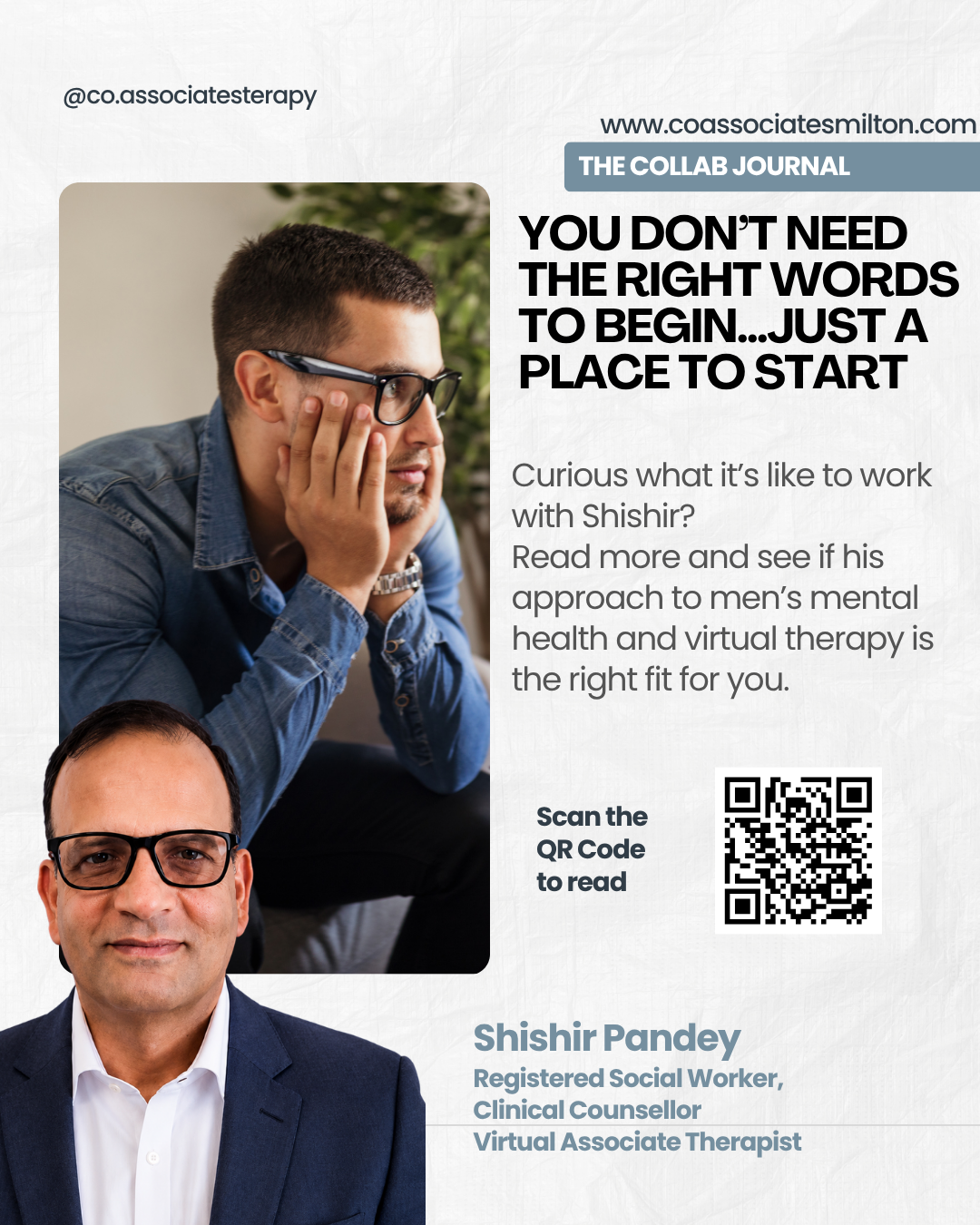
For many men, the idea of therapy can feel unfamiliar, uncomfortable, or even unnecessary. Yet in my work as a Registered Social Worker and Clinical Counsellor, I’ve seen firsthand how transformative therapy can be when men are given the space to show up fully—without judgment, pressure, or expectation.
Men carry a unique set of challenges shaped by cultural expectations, identity, and the roles they hold in their lives. Therapy offers an opportunity not to “fix” men, but to support them in understanding themselves more deeply, navigating stress more effectively, and building more meaningful connections—with themselves and others.
The Invisible Weight Men Carry
Many men move through life carrying responsibilities that are rarely spoken about openly.
They may be:
Providers navigating financial pressure and job insecurity
Partners trying to balance emotional presence with societal expectations of masculinity
Fathers striving to “get it right” without having had models of emotional expression themselves
Individuals managing stress, trauma, or identity challenges in silence
Over time, these pressures can manifest as:
Chronic stress or burnout
Irritability or anger
Emotional numbness or disconnection
Anxiety or depression
Difficulty in relationships
Men often aren’t taught to recognize or name these experiences as mental health concerns. Instead, they are encouraged—implicitly or explicitly—to “push through.”
What Holds Men Back From Therapy?
Despite the benefits, many men hesitate to seek support. This isn’t due to a lack of need—it’s often due to deeply ingrained barriers.
1. Social Conditioning Around Masculinity
From a young age, many men are taught that vulnerability is weakness. Emotional expression can feel unsafe or unfamiliar.
2. Fear of Judgment
There can be a fear of being seen as “not strong enough” or of being misunderstood.
3. Lack of Language for Emotions
Many men have not been given the tools to identify or articulate what they’re feeling, making therapy feel intimidating.
4. Belief That They Should Handle It Alone
Self-reliance is often valued, but it can become isolating when it prevents reaching out for support.
What Therapy Can Offer Men
Therapy is not about forcing men to become someone they are not. It’s about creating a space where they can explore who they already are—with more clarity and self-compassion.
In therapy, men can:
Develop emotional awareness and language
Learn practical tools to manage stress, anxiety, and anger
Process past experiences, including trauma
Improve communication and relationships
Reconnect with a sense of purpose and identity
My approach is collaborative and client-centred, grounded in evidence-based modalities such as CBT, DBT, and narrative therapy, while also honouring each individual’s lived experience.
This means therapy is not one-size-fits-all—it is tailored to what feels meaningful, relevant, and accessible for each person.
Why Virtual Therapy Works Particularly Well for Men
One of the most significant shifts in mental health care has been the rise of virtual therapy—and for many men, it has been a game changer.
1. Privacy and Comfort
Attending therapy from home or a private space can reduce the stigma or discomfort of walking into a clinic.
2. Reduced Barriers to Access
Virtual therapy eliminates commute time, making it easier to fit sessions into busy schedules—especially for men balancing work and family responsibilities.
3. A More Controlled Environment
Being in a familiar environment can help men feel more grounded and open to engaging in the process.
4. Flexibility and Consistency
Virtual care allows for more consistent attendance, which is key to meaningful progress.
As a virtual psychotherapist, I’ve seen how this format allows clients to engage in therapy in a way that feels less intimidating and more aligned with their day-to-day lives.
Reframing Therapy for Men
Therapy does not require men to abandon strength—it invites them to redefine it.
Strength can look like:
Asking for support when needed
Facing difficult emotions instead of avoiding them
Taking responsibility for personal growth
Building healthier relationships
Therapy is not about weakness—it is about capacity.
A Space That Respects Your Story
As someone who brings lived experience as a first-generation immigrant, I understand how identity, culture, and systemic factors shape the way we experience the world and ourselves.
In therapy, your experiences—whether related to masculinity, culture, migration, or life transitions—are not pathologized. They are understood within context.
You don’t have to have the “right words” to begin. You just have to start where you are.
Final Thoughts
Men do not need therapy because they are failing—they benefit from therapy because they are human.
And when barriers are reduced—through approaches that are collaborative, culturally responsive, and accessible—more men can begin to experience what therapy truly offers:
Clarity. Relief. Connection. Growth.
Start therapy with Shishir today—book your virtual session and begin building the tools, insight, and stability you’ve been needing.
This article is intended for educational and informational purposes only. It is not a substitute for therapy, counselling, or individualized mental health care. Everyone's experiences are unique, and support that works for one person may not be right for another. If you're struggling, we encourage you to seek professional support that fits your needs.
Related Articles
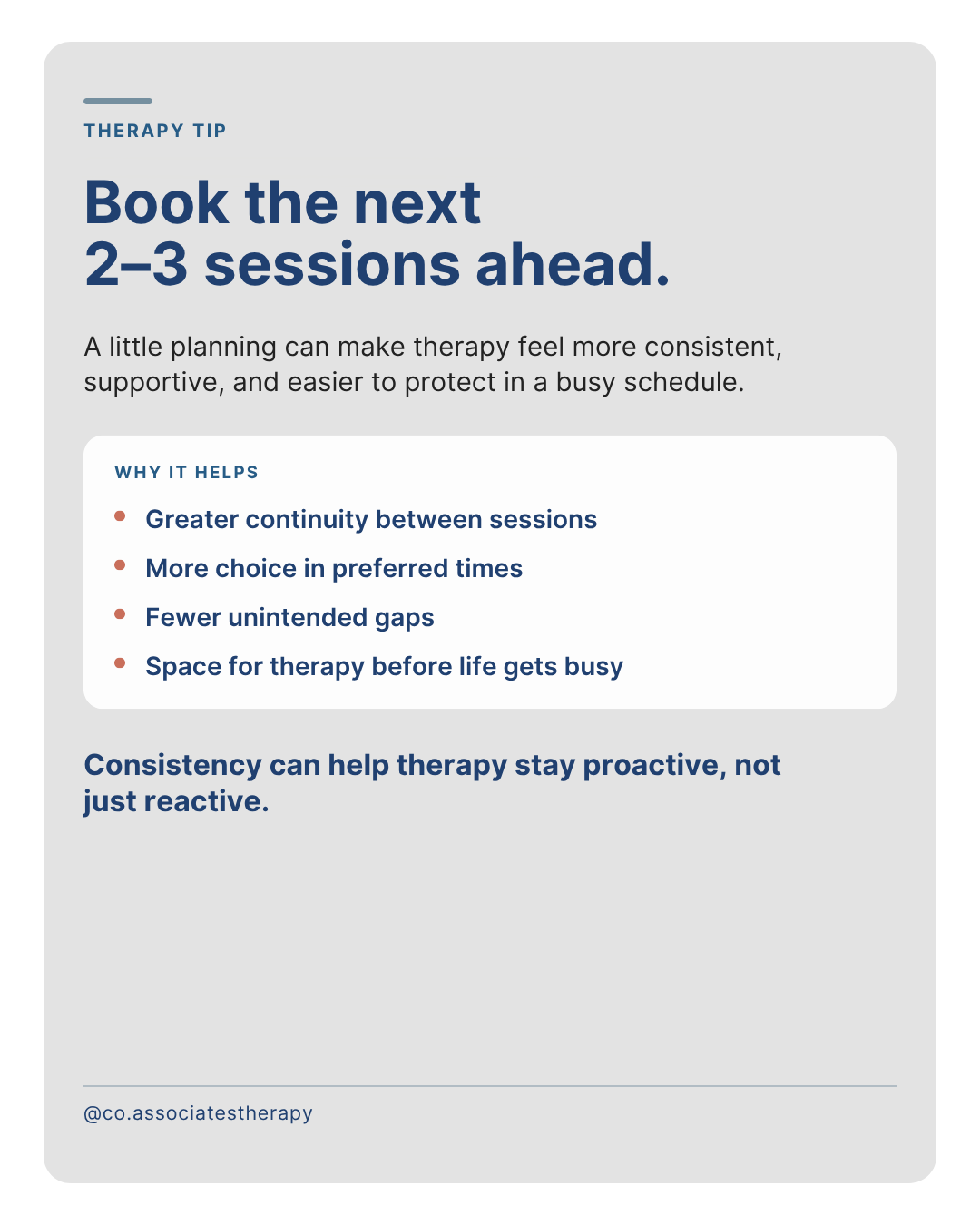
Why Booking Therapy Ahead Can Actually Help Therapy Work Better
One of the things we sometimes encourage clients to do is book a few therapy sessions in advance. And we also understand why people hesitate. Life is busy. Work...

When Life Feels More Expensive, Support Shouldn’t Be
How Virtual Therapy in Ontario Makes Mental Health Care More Accessible During Financial Stress In recent years, many individuals and families across Ontario ha...

Someone Who Genuinely Wants to See You Win
Meet Sarah Katarincic, a therapist who genuinely believes in your potential. Discover her warm, non-judgmental approach to help you navigate life's challenges and find your path forward. Learn how she can support you.