
 The Collab Journal
By Garion Sparks-Austin, BSW, RSW — Registered Social Worker, Psychotherapist
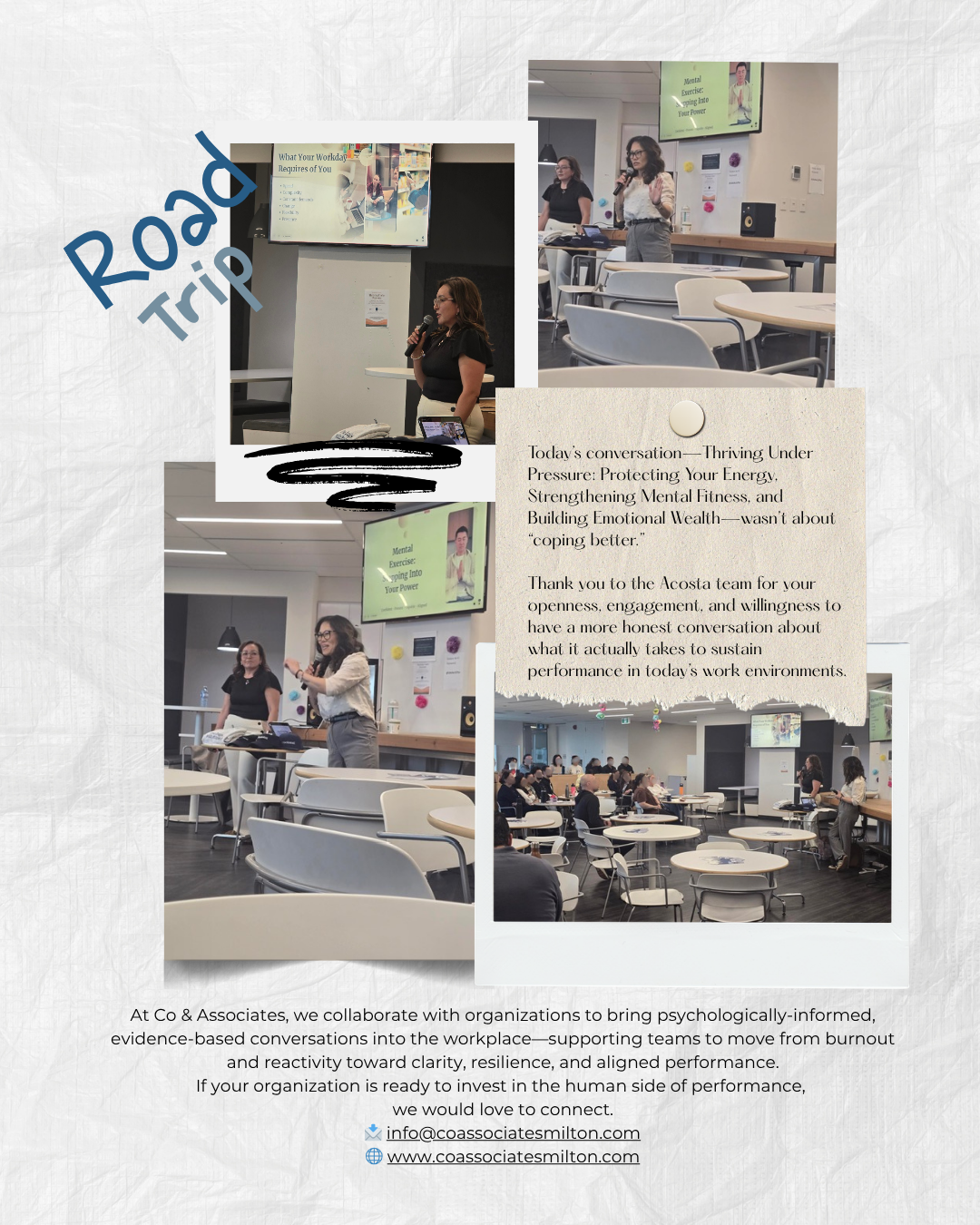
In honour of Mental Health Awareness Month, we had the privilege of facilitating a Lunch & Learn at Acosta, where we led a conversation on something many professionals experience—but rarely name:
What it actually takes to function under constant pressure.
Together with Minerva Acevedo, we explored the intersection of performance, emotional resilience, and mental well-being through our session:
“Thriving Under Pressure: Protecting Your Energy, Strengthening Mental Fitness, and Building Emotional Wealth.”
The Reality of Today’s Work Environment
Modern workplaces require more than just skill.
They demand:
Speed
Adaptability
Emotional regulation
Constant decision-making
The ability to stay “on” even when capacity is low
And beneath all of that?
An often invisible layer:
Internalized pressure
Perfectionism
Evolving team and market demands
The expectation to continuously deliver
The Cost of Unmanaged Pressure
When pressure goes unaddressed, it doesn’t just impact how people feel—it impacts how they function.
We see:
Reduced focus and attention
Reactive (vs. intentional) decision-making
Emotional fatigue and overwhelm
Disconnection from self and others
This is not a performance issue. It’s a nervous system issue.
Mental & Emotional Health Is Performance
One of the most important takeaways we shared:
Mental and emotional health are not separate from performance.
They are its foundation.
When individuals are supported in regulating stress, increasing self-awareness, and building emotional capacity:
Decision-making improves
Communication strengthens
Leadership becomes more grounded
Teams function more effectively
What Actually Helps People Thrive
In our session, we focused on practical, sustainable strategies—not surface-level wellness tips.
This included:
Understanding your personal definition of success (and whether it’s helping or harming you)
Recognizing the “invisible load” you carry beyond your job title
Building self-awareness and self-regulation practices
Implementing simple resets (like intentional breathing and grounding)
Strengthening emotional fitness through daily reflection
Because thriving under pressure isn’t about eliminating stress. It’s about increasing awareness, embodiment and capacity.
Why This Work Matters in Organizations
When organizations invest in mental health conversations like this, they are not just supporting individuals.
They are strengthening:
Retention
Leadership capacity
Team dynamics
Organizational culture
And perhaps most importantly: They are creating space for people to be human and high-performing.
We Offer This Support
At Co & Associates, we partner with organizations to bring meaningful, clinically grounded mental health conversations into the workplace.
Our corporate offerings include:
Lunch & Learns
Workshops on stress, burnout, and emotional resilience
Leadership-focused mental health training
Customized sessions tailored to organizational needs
Because mental health support should not be reactive. It should be integrated into how we work.
To the team at Acosta—thank you for prioritizing this conversation. And to every organization navigating high pressure environments: Your people don’t need to be pushed harder. They need to be supported better.
This article is intended for educational and informational purposes only. It is not a substitute for therapy, counselling, or individualized mental health care. Everyone's experiences are unique, and support that works for one person may not be right for another. If you're struggling, we encourage you to seek professional support that fits your needs.
Related Articles
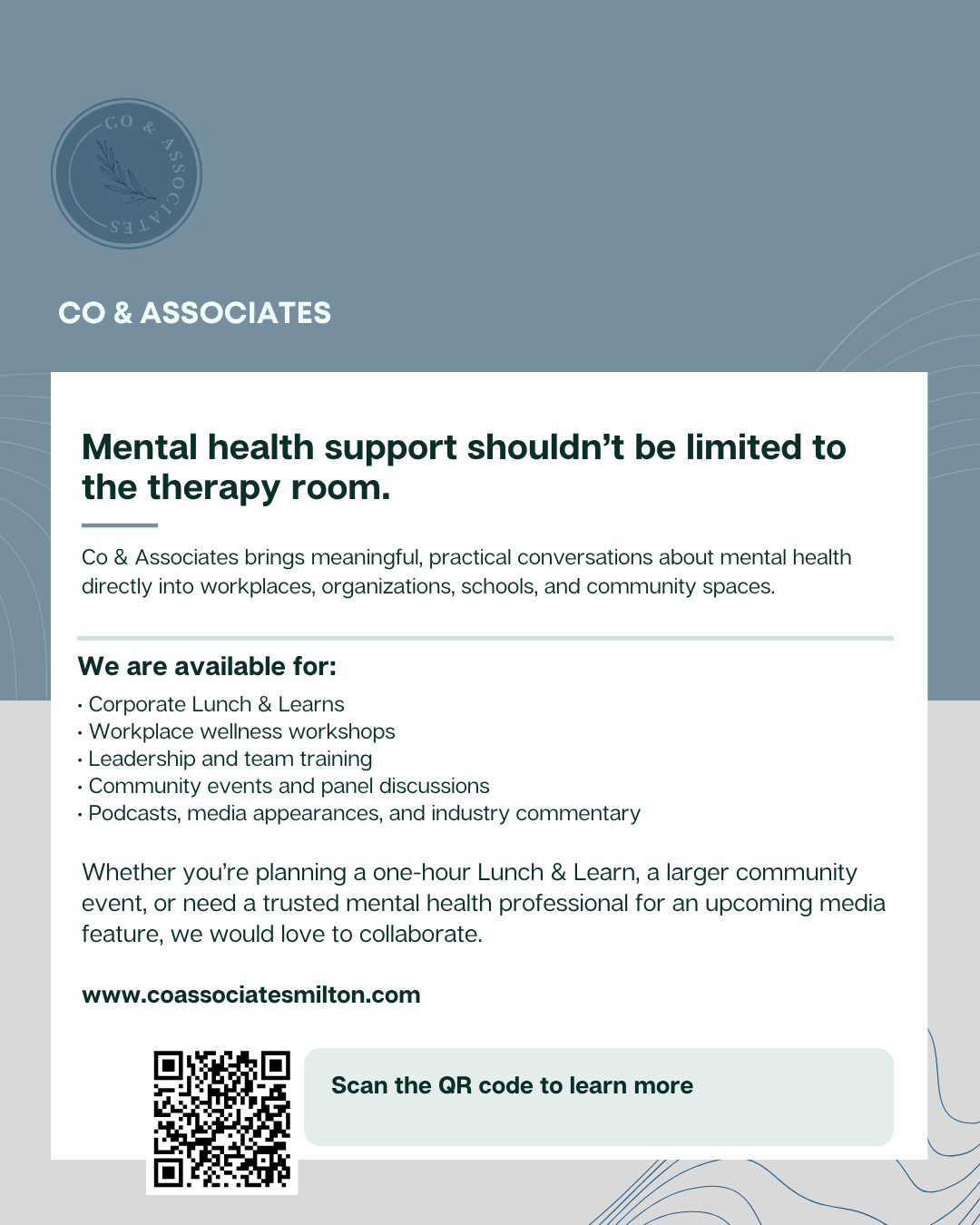
Mental Health Beyond the Therapy Room: Bringing Meaningful Conversations Into the Workplace
Discover how Co & Associates brings practical mental health education and tailored wellness training directly to Milton workplaces to build healthier, more resilient teams.
Suicide Prevention Awareness Month: Sometimes the Most Important Thing We Can Do Is Ask
Learn how to spot hidden signs of distress, navigate difficult conversations, and support loved ones during Suicide Prevention Awareness Month.
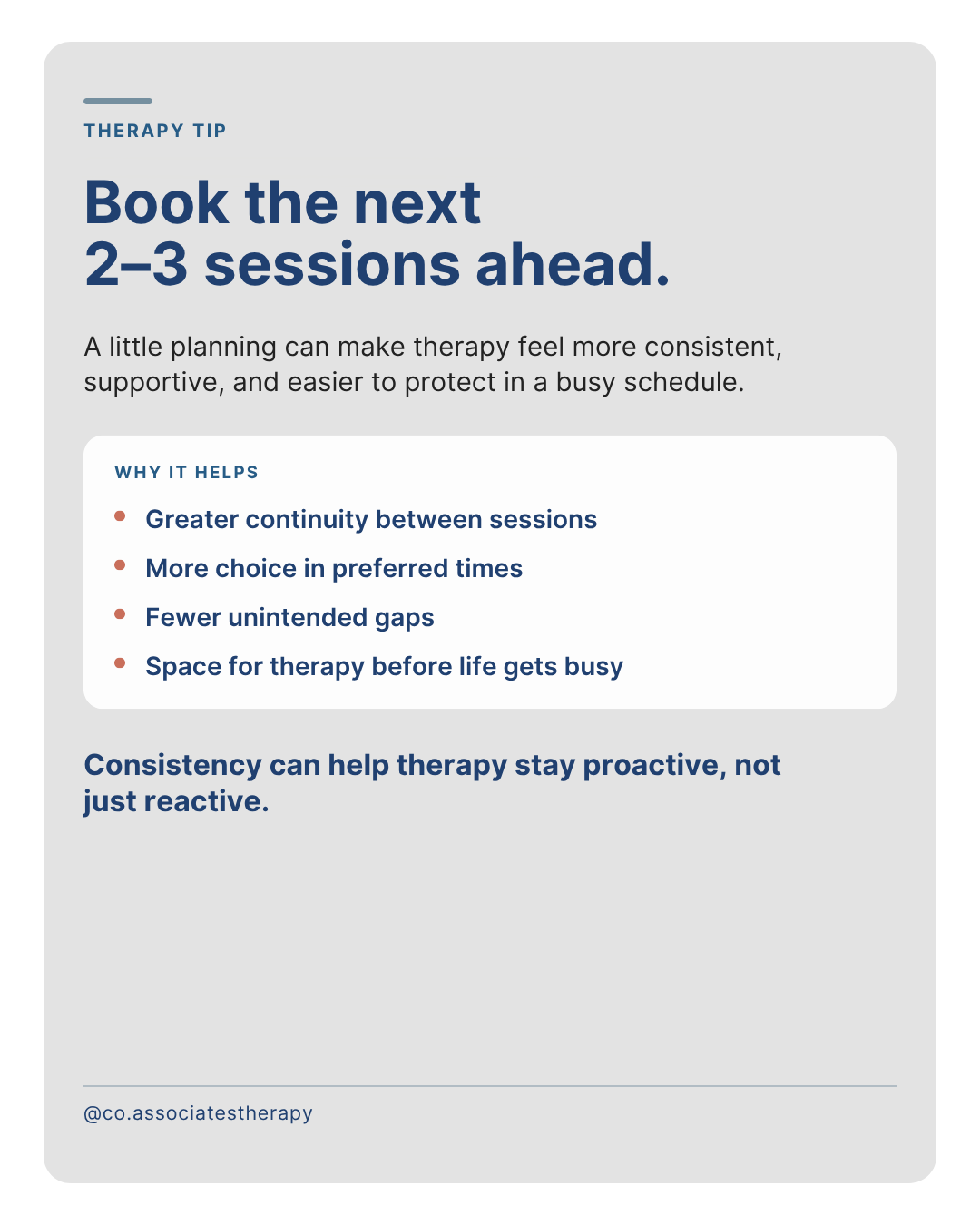
Why Booking Therapy Ahead Can Actually Help Therapy Work Better
One of the things we sometimes encourage clients to do is book a few therapy sessions in advance. And we also understand why people hesitate. Life is busy. Work...